Shop by Department
Oct 15, 2025 / By Super Admin / in Ecommerce Commercial News
Dressing responsibly is not just about buying “less but better”. In this article, we introduce 5 eco-responsible materials you can prioritize for your wardrobe (and to easily spot the right pieces on TIFARI):
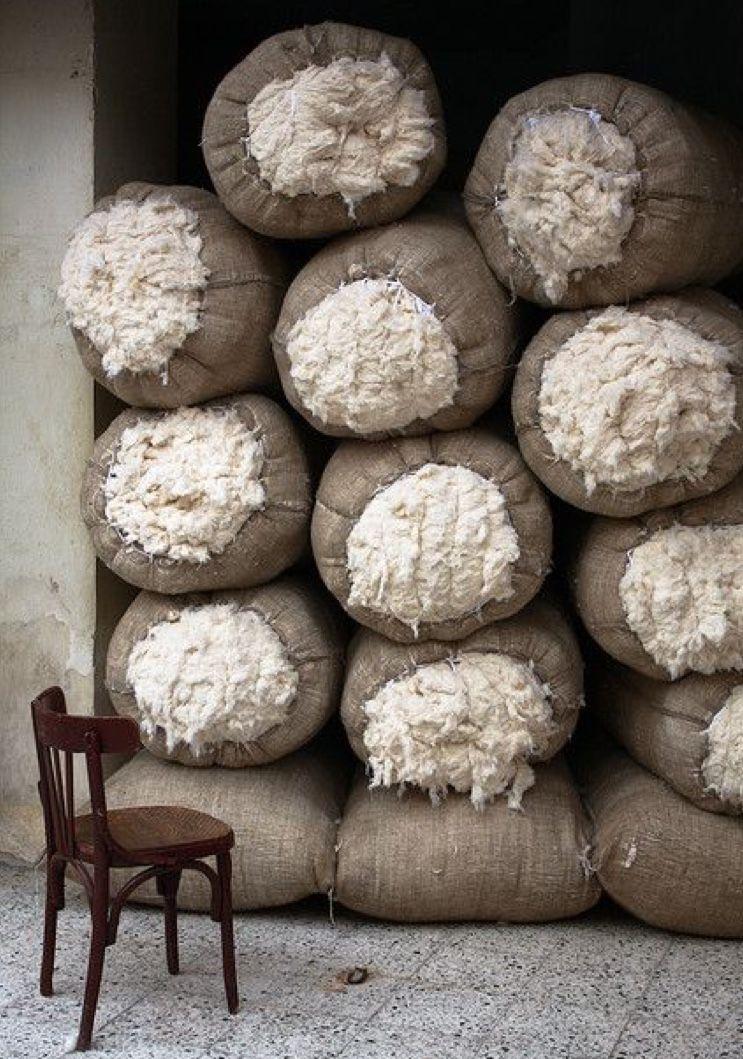
Cotton remains one of the most widely used materials in the world… but also one of the most polluting when grown intensively.
Organic cotton is grown without pesticides or chemical fertilizers. It often uses less water than conventional cotton. It better protects the health of farmers and local communities.
You can also choose recycled cotton, made from fabric scraps or recovered garments. This helps reduce waste and limit the production of new cotton.
Linen is a star material for summer clothing… but not only. It is mainly grown in Europe (France, Belgium, the Netherlands…), meaning less transportation. It requires very little water and few inputs. The plant is grown without deforestation and enriches the soil. Linen is also strong, breathable and extremely comfortable to wear in hot climates. For an ethical wardrobe, it is a safe bet: shirts, dresses, trousers, home linens… everything works!
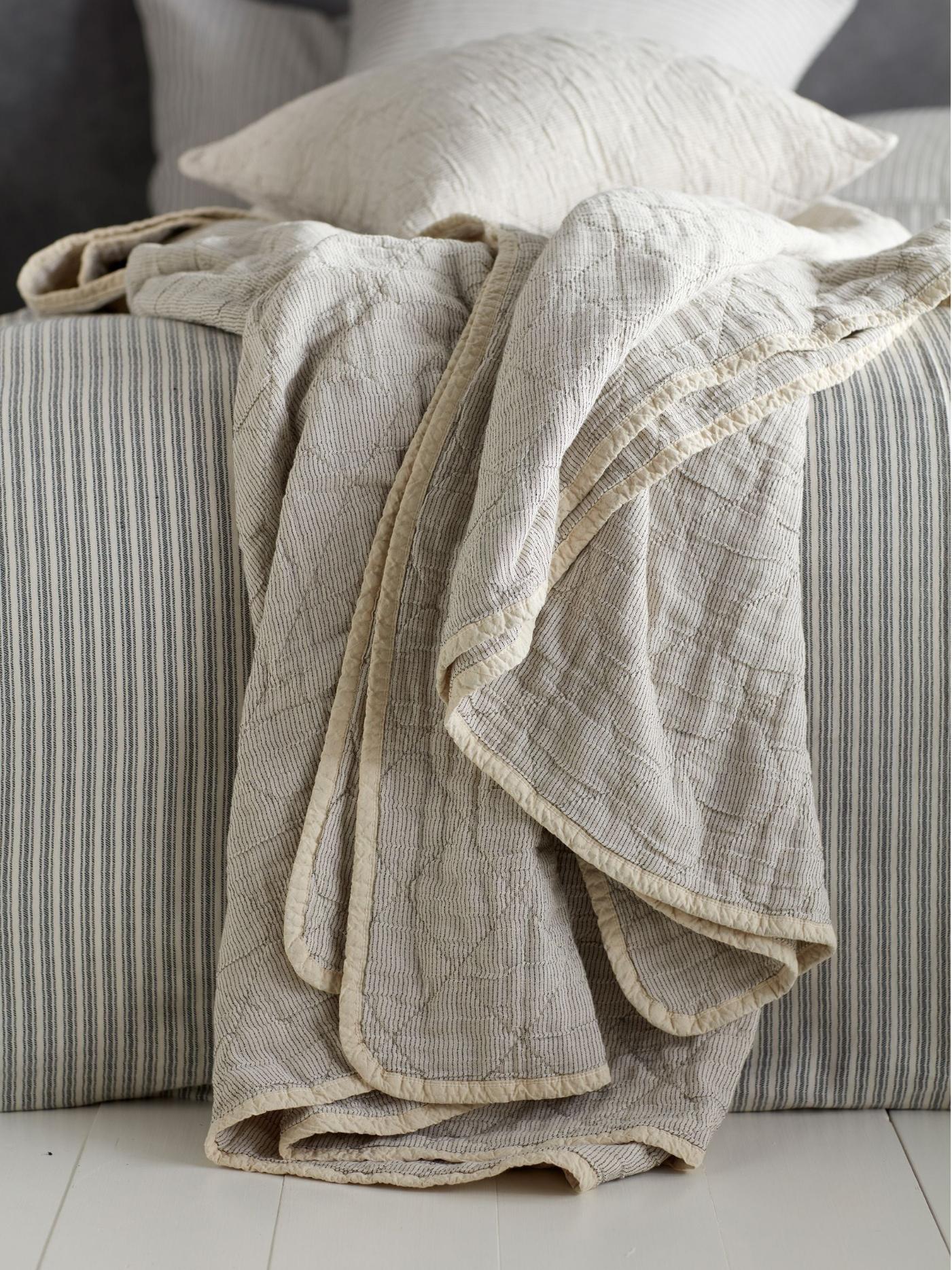
Less well-known than cotton or linen, hemp is making a strong comeback in responsible fashion. Its cultivation requires very little water and almost no pesticides. The fibers are very strong and long-lasting. Hemp gives fabric a slightly textured look, ideal for character pieces: tote bags, trousers, jackets, thick t-shirts, etc.
On TIFARI or elsewhere, if you see “hemp” in the composition, you can smile :)

Tencel (or lyocell) is a fiber made from wood pulp (often eucalyptus) sourced from sustainably managed forests. The manufacturing process can use a recycled solvent in a closed-loop system (fewer emissions). The fabric is very soft, fluid and pleasant on the skin. It is breathable and can help limit odors, making it ideal for everyday clothing. You can find it in dresses, blouses, flowing trousers, pajamas, loungewear, etc.

Eco-responsibility is not just about the “pure” fiber, it is also about what we do with it.
Upcycling means reusing existing fabrics (scraps, deadstock, old garments) to create new pieces with greater value. For example, a tote bag made from old sheets or wax fabric scraps, or a patchwork jacket made from artisanal textile remnants. The result: less waste, unique pieces and a strong story behind each creation.
Artisanal & cultural materials such as hand-dyed fabrics using natural dyes, traditional techniques (indigo, bogolan, hand weaving…), and small local productions, often on a human scale, are not only “eco-friendly”, they also carry heritage and social impact (income creation for artisans, preservation of know-how, etc.).
Oct 15, 2025 by Super Admin